
Featuring Recipients: A Simple Way to Boost Sponsorships
Share authentic recipient stories with photos and updates to build emotional connections, increase donor trust, and grow sponsorships.


When it comes to growing sponsorships for your nonprofit, nothing works better than sharing the real stories of the people you help. Highlighting recipients - through photos, updates, and their personal journeys - creates emotional connections, builds trust, and inspires long-term support from donors.
Here’s the key takeaway: Show donors the direct impact of their contributions by focusing on recipients’ progress, achievements, and potential. Use platforms like social media, email, and your website to share these updates regularly. Add visuals like photos or short videos to make the stories more engaging. Track results by monitoring metrics like donor retention and new sponsorships to refine your approach.
Start small: choose a few recipients, share their stories, and watch how this simple strategy strengthens your sponsorship efforts.
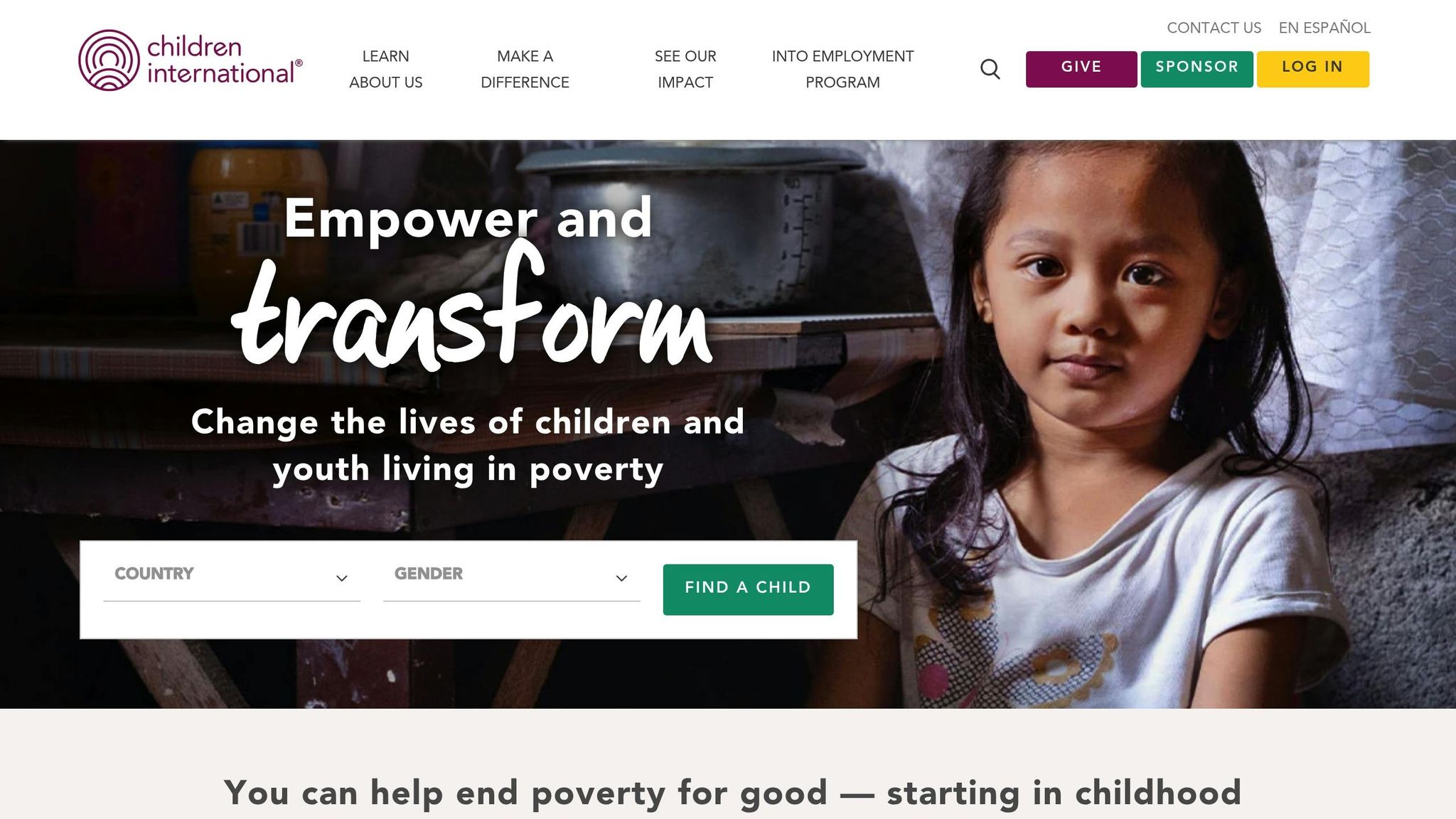
The joy of Children International sponsorship: Transforming lives in the Philippines
Why Sharing Recipient Stories Increases Sponsorships
Sharing recipient stories taps into something deeply human - our ability to empathize, trust, and connect. When potential sponsors see the face of a beneficiary and hear their journey, it sparks an emotional connection that can turn curiosity into commitment. Let’s explore how these stories build bonds, foster trust, and inspire action.
Creating Emotional Connections Through Stories
Personal stories have the power to evoke empathy. When someone reads about a beneficiary overcoming daily struggles and working toward a brighter future, it’s more than just words - it’s a glimpse into someone’s life. This emotional pull can transform a one-time donation into a meaningful, ongoing relationship. Including personal touches like photos, updates, and progress reports helps donors see the difference they’re making, strengthening their sense of connection and purpose.
Building Trust Through Transparency
While emotions draw people in, transparency keeps them engaged. Numbers and statistics are important, but pairing them with real-life stories makes them resonate. For instance, stating that a program has helped thousands of children is impactful, but showing photos of children in thriving classrooms or sharing a story about how a child’s life has improved brings those numbers to life. This combination of measurable results and personal narratives demonstrates accountability, reassuring donors that their contributions are making a real difference.
Attracting New Sponsors
Success stories also serve as powerful social proof. People are more likely to support a cause when they see tangible outcomes. For example, sharing how a child went from struggling with basic reading to excelling in a school essay contest shows potential sponsors the direct impact of their support. These real-life transformations not only validate your program’s effectiveness but also inspire new donors to get involved, turning skepticism into action and growing your base of committed sponsors.
How to Create Effective Recipient Profiles
Impact of Visual Storytelling on Nonprofit Donor Engagement Statistics
Creating recipient profiles that resonate requires more than just listing facts. These profiles should tell a story - one that sponsors can connect with on a personal level. The aim is to present each recipient as a complete individual with aspirations, strengths, and a vision for the future. When crafted thoughtfully, these profiles serve as a bridge between your mission and those eager to support it.
What to Include in a Recipient Profile
Begin with the essentials: the recipient’s name, age, location, and a snapshot of their current situation. Then, dive deeper by sharing details that paint a vivid picture of their journey. What challenges have they faced? What progress have they made? What are their goals? Include specific milestones, such as academic achievements or entrepreneurial endeavors, to give sponsors a clear sense of their trajectory.
It’s also crucial to explain how sponsorship plays a role in their journey. Whether it’s funding school supplies, providing mentorship, or enabling skills training, show the direct impact of support. Finally, highlight their strengths to demonstrate how they’re actively overcoming obstacles and moving forward.
Focus on Strengths and Potential
While it’s essential to acknowledge the difficulties recipients face, the most impactful profiles focus on resilience and progress. Instead of centering the narrative on hardship, emphasize the recipient’s determination and actions. Include examples of them studying, participating in community activities, or developing new skills. This approach not only preserves their dignity but also highlights how sponsorship empowers them to take charge of their future.
For instance, a profile showcasing a student juggling part-time work while excelling academically conveys determination far more effectively than one that solely describes financial struggles. It’s about showing potential and the steps they’re taking toward their goals.
Adding Photos, Videos, and Graphics
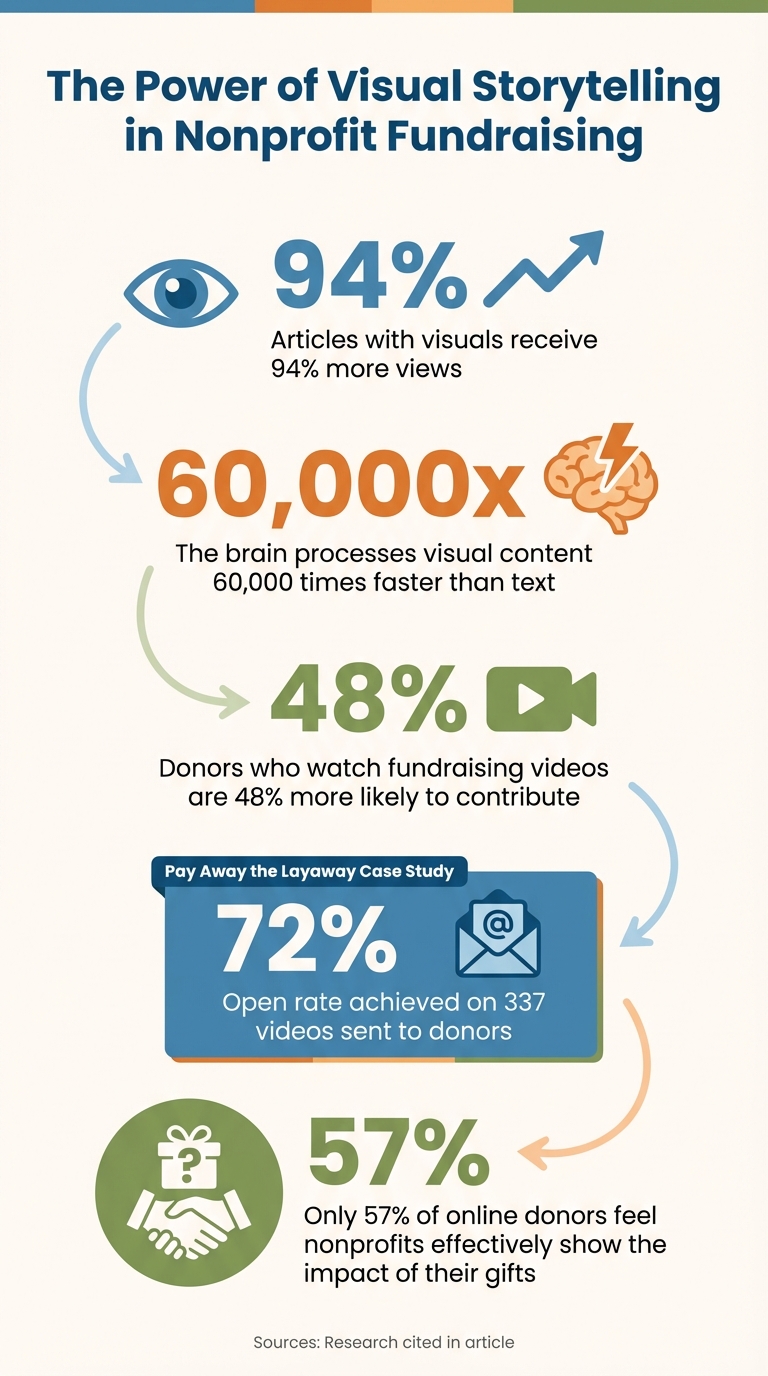
Visuals can transform a written story into a heartfelt connection. Research shows that articles with visuals receive 94% more views, and the brain processes visual content 60,000 times faster than text. Use authentic photos of recipients - never stock images - engaged in meaningful activities like studying, working, or spending time with loved ones.
Short videos, ideally 30–90 seconds long, are especially effective. Donors who watch fundraising videos are 48% more likely to contribute. Organizations like Pay Away the Layaway saw a 72% open rate on 337 videos sent to donors by encouraging recipients to share short impact stories. Keep the production simple; even smartphone footage often feels more genuine than overly polished videos.
Pair these visuals with direct quotes from recipients to create testimonial graphics. These are perfect for sharing across social media, email campaigns, and your website, helping to build a deeper emotional connection with your audience.
Sharing Recipient Stories on Digital Channels
With recipient profiles ready to go, digital channels can help you connect with both current and potential sponsors in a way that feels personal and impactful. By tailoring your approach to each platform, you can bring these stories to life and build stronger connections.
Using Social Media to Share Stories
Social media is a powerful tool for creating a sense of community around your sponsorship efforts. Platforms like Facebook and Instagram are especially effective because they let you share updates in a variety of formats - photos, videos, Stories, and Reels.
Share photos or short clips of recipients engaged in meaningful activities, and pair them with captions that highlight their achievements. For example, you might celebrate a recipient’s academic success or a milestone in their personal growth. These relatable moments help make the impact of sponsorship crystal clear.
Instagram Stories and Reels are perfect for behind-the-scenes content. Add relevant hashtags like #SponsorshipImpact or #EducationMatters to expand your reach beyond your current followers.
Before posting, always get consent from recipients and their families. You can also tag sponsors (with their permission) to publicly acknowledge their contributions. This not only shows appreciation but also encourages continued support.
While social media builds immediate connections, your website can serve as a more permanent place to showcase these stories.
Displaying Stories on Your Website
Your website acts as the anchor for potential sponsors to explore recipient profiles and learn about your program. Dedicate a section where you can feature current recipients and their stories, along with photos and details about their specific needs.
Make it a point to refresh these profiles every quarter. Highlight progress in areas like education, health, or personal development to give sponsors a clear picture of how their support is making a difference.
If you’re using tools like HelpYouSponsor, integrating recipient profiles directly into your site is a breeze. These tools help you organize profiles and keep information updated automatically, cutting down on manual work.
Sending Stories Through Email and Donor Portals
Email remains one of the best ways to keep donors engaged. Personalize your messages by focusing on the individual child or project each donor supports. Include updates on recent milestones and achievements to show how their contributions are making an impact.
Stick to a regular schedule - quarterly updates work well for most organizations. Enhance these emails with photos or even scanned drawings from recipients to make the connection feel more personal and heartfelt.
Donor portals take this connection a step further by enabling direct communication. Through these platforms, sponsors and recipients can exchange letters or video messages, turning storytelling into an ongoing, interactive relationship. This two-way communication allows donors to ask questions and receive updates in real time, fostering deeper bonds and a sense of community.
Tracking the Results of Recipient Storytelling
Sharing stories about recipients is just the beginning. To boost sponsorships and engagement, you need to measure what works and what doesn’t. By tracking the right data, you can identify which stories connect most with donors and refine your approach for better results.
What Metrics to Monitor
Several key metrics can help you gauge the effectiveness of your storytelling efforts:
- Donor retention rates: This shows how many sponsors continue their support over time. If retention improves after sharing recipient updates, it’s a sign your stories are fostering lasting connections.
- Interaction frequency: Track how often sponsors and recipients communicate, like through messages or video exchanges. More interaction often means stronger emotional bonds.
- Consistency of updates: Regular updates keep your audience engaged and demonstrate reliability.
- New sponsorship sign-ups and donation spikes: Look for increases in these areas after sharing specific stories. These trends can reveal which narratives inspire action.
- Transparency metrics: Ensure donors clearly see how their contributions are being used. Trust grows when you provide clarity, leading to sustained support.
Using HelpYouSponsor's Reporting Tools
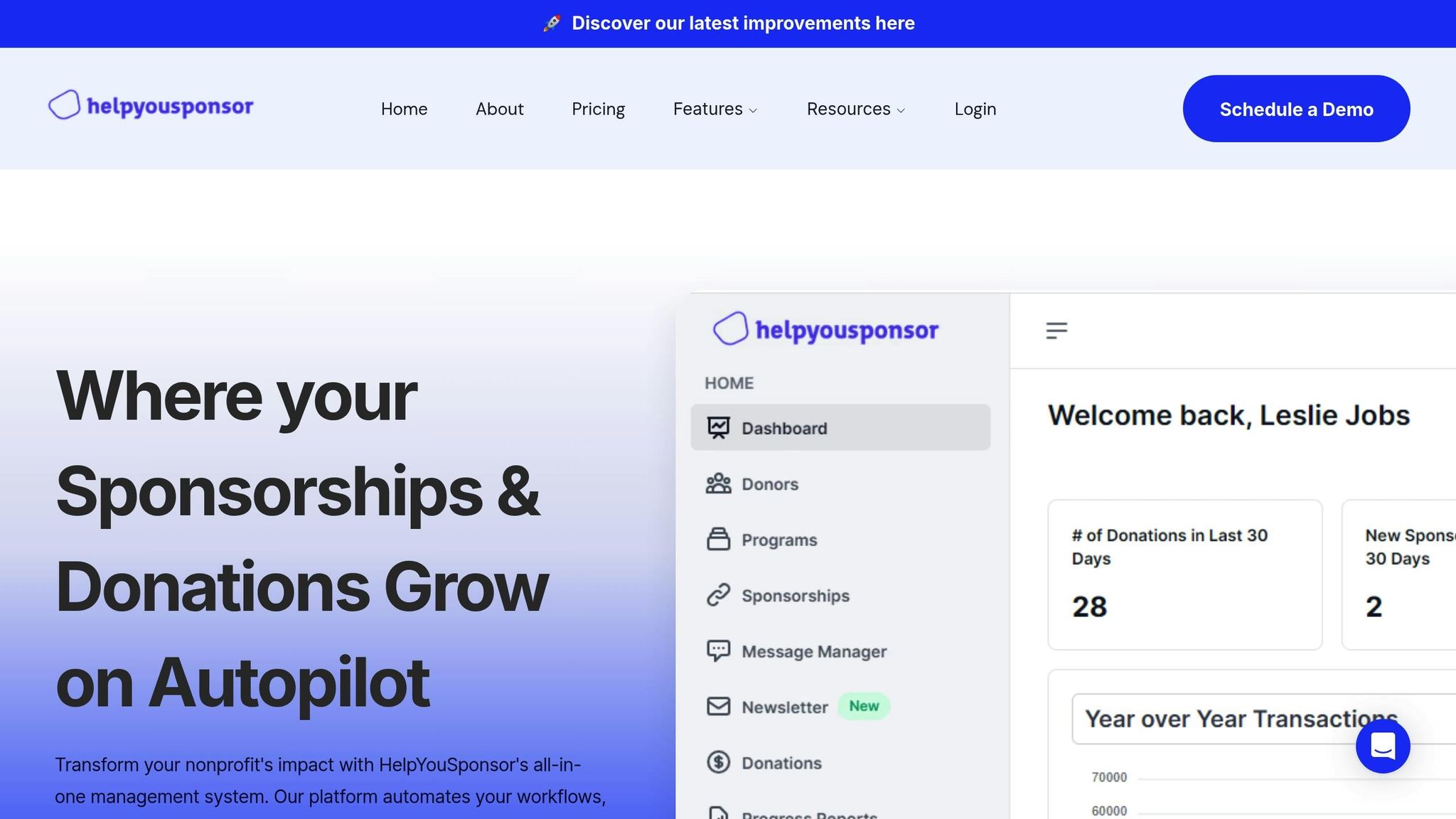
HelpYouSponsor offers tools to simplify tracking and analysis, giving you actionable insights:
- Activity Log: Review sponsorships added after sharing recipient stories.
- Analytics Suite: Visualize trends over the past three years, helping you identify long-term patterns. For example, if sponsorships rise after featuring recipient videos, that’s a clear win.
- CRM Donations Page: Break down donations by individual programs to see which recipient groups resonate most with donors.
- Custom Trip Pages: Monitor real-time progress for project-based campaigns, showing how storytelling influences fundraising momentum.
- AI and predictive analytics: Use these tools to forecast how stories might impact future donor retention, allowing you to plan campaigns with greater confidence.
Improving Your Approach Based on Data
Once you’ve collected data, use it to fine-tune your storytelling strategy. Focus on the types of achievements - like educational milestones, health improvements, or personal growth - that generate the strongest responses from donors. Prioritize these themes in future stories.
Evaluate which channels and formats drive the most engagement. For instance, use the Activity Log to pinpoint when donors take action after seeing a story, and replicate that timing in future campaigns.
Pay attention to the questions donors ask through your portal. Use these insights to refine recipient profiles and address their interests proactively. Clear communication is key - only 57% of online donors feel nonprofits effectively show the impact of their gifts. By improving transparency and focusing on what works, you’ll build stronger donor trust and better fundraising outcomes.
When you find something that resonates, lean into it. If something doesn’t land, adjust quickly. This ongoing process turns storytelling into a powerful tool for growing your impact.
Conclusion
Highlighting your sponsorship recipients is a powerful way to strengthen your fundraising efforts. It helps build trust, fosters emotional connections, and encourages more sponsorships. When donors see the real faces and stories behind their contributions - through photos, videos, and updates - it turns their support into something deeply personal and impactful.
To keep this connection strong, focus on consistent and genuine storytelling. Share recipient updates regularly across your website, social media, and email. Shift the narrative toward their strengths and achievements rather than solely focusing on needs. Showing donors the real impact of their contributions - like educational progress, health improvements, or personal milestones - keeps them engaged and invested over time.
This is where HelpYouSponsor can make a difference. With their Recipient Management and Communication Tools, you can centralize recipient information, automate personalized updates, and enable meaningful interactions between sponsors and recipients. Plus, their tools help you track which stories resonate most with your audience.
Start small - choose a few recipients, create engaging profiles with photos and videos, and share their stories on one or two platforms. Use HelpYouSponsor's Reporting Tools to monitor key metrics like donor retention, new sponsorships, and engagement. These insights will help you fine-tune your approach and create a more impactful donor experience.
Organizations that succeed are those that make their donors feel like true partners in the journey. By featuring recipients thoughtfully, you turn donations into lasting, meaningful relationships.
FAQs
How do we get recipient consent for stories?
Obtaining consent from recipients is a crucial ethical responsibility. Always ensure you have clear and informed permission directly from the individual before sharing their story. If consent isn’t possible, steer clear of using anonymized details, composite narratives, or stock images, as these can erode trust. Focus on maintaining transparency and respecting privacy by sharing stories only when explicit approval has been granted.
How often should we share recipient updates?
Sharing updates with recipients promptly - preferably within 24 to 48 hours of key milestones or events - goes a long way in keeping donors engaged. These timely updates highlight the effect of their contributions, fostering trust and reinforcing the connection between their support and the positive outcomes achieved.
Which story metrics should we track?
To understand how recipient stories resonate, focus on metrics like donor engagement - this includes tracking social media shares, email open rates, and comments. Pay attention to donation patterns before and after sharing these stories to gauge their influence. Additionally, measure reach and visibility by analyzing website traffic and video views.
For a deeper understanding, gather qualitative feedback from donors through surveys or comments. This can reveal the emotional impact of your storytelling. These insights can guide you in fine-tuning your approach to build stronger connections and encourage more sponsorships.